
Knee Jo int
The knee joint is one of the most complex joint in the human body. The knee joint is characterized by:
→ Complex Mobility: The bones of the knee have non-congruent surfaces, which allows for an impressive range of motion. However, this also necessitates supplementary stabilizing structures, such as intracapsular ligaments and menisci.
→ High Stress: The knee bears one of the highest and most constant load-bearing stresses in the body. This makes it highly susceptible to degenerative wear-and-tear, known as knee osteoarthritis (gonarthrosis), which places the knee replacement surgery among the most common orthopaedic procedures worldwide*.
→ Vulnerability to Injury: The combination of high mobility and high load makes the knee joint particularly prone to injuries, especially during sports activities.

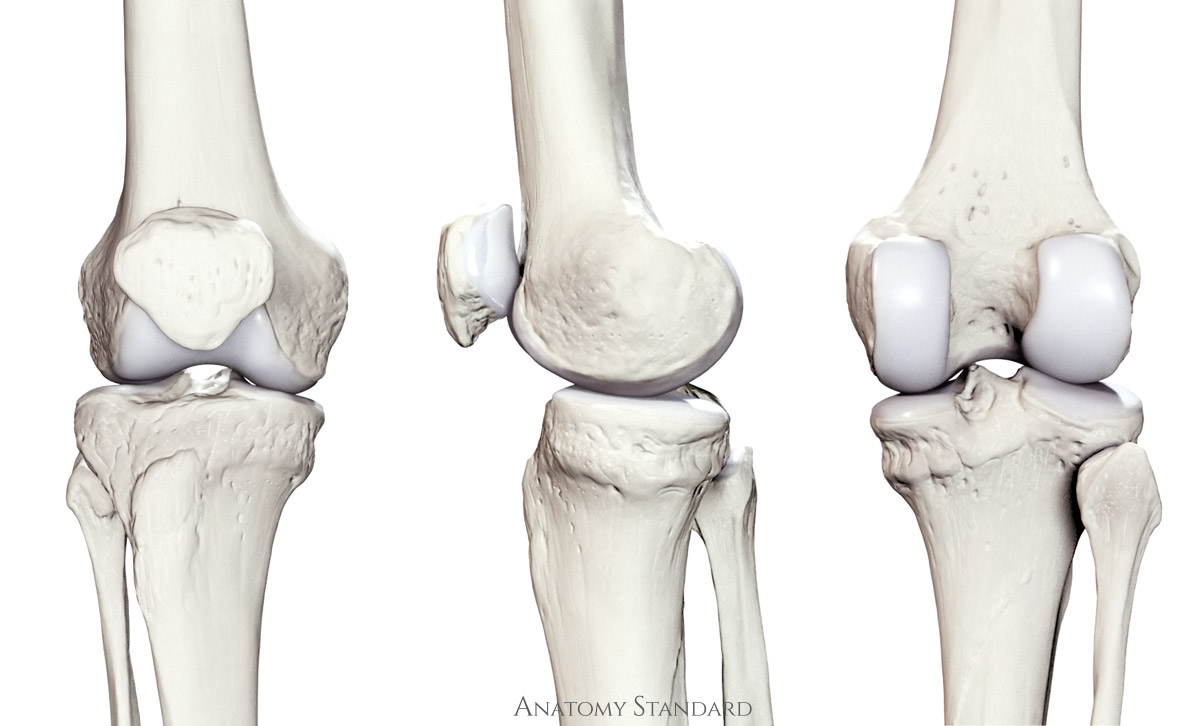
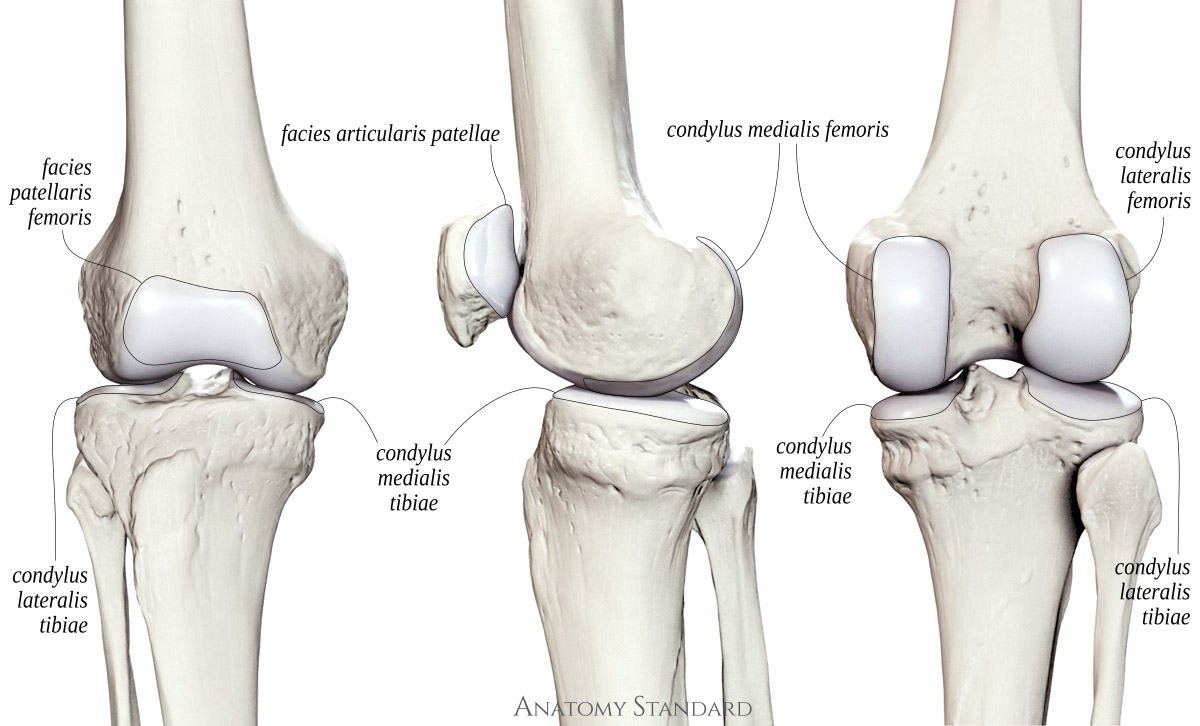
The knee joint is formed by the articulation of three bones: the femur, tibia, and patella (kneecap). The key articular surfaces involved are: (1) The articular surface of the patella; (2) The patellar surface of the femur; (3) The medial and lateral condyles of the femur and (4) The medial and lateral condyles (or plateaus) of the tibia.
A notable fact is that the combined thickness of the articular cartilage covering the patella and the patellar surface of the femur averages 4–6 mm*.
The list of terms:
Facies patellaris femoris – Patellar surface of femurFacies articularis patellae – Articular surface of patella
Condylus medialis femoris – Medial condyle of femur
Condylus lateralis femoris – Lateral condyle of femur
Condylus medialis tibiae – Medial condyle of tibia
Condylus lateralis tibiae – Lateral condyle of tibia
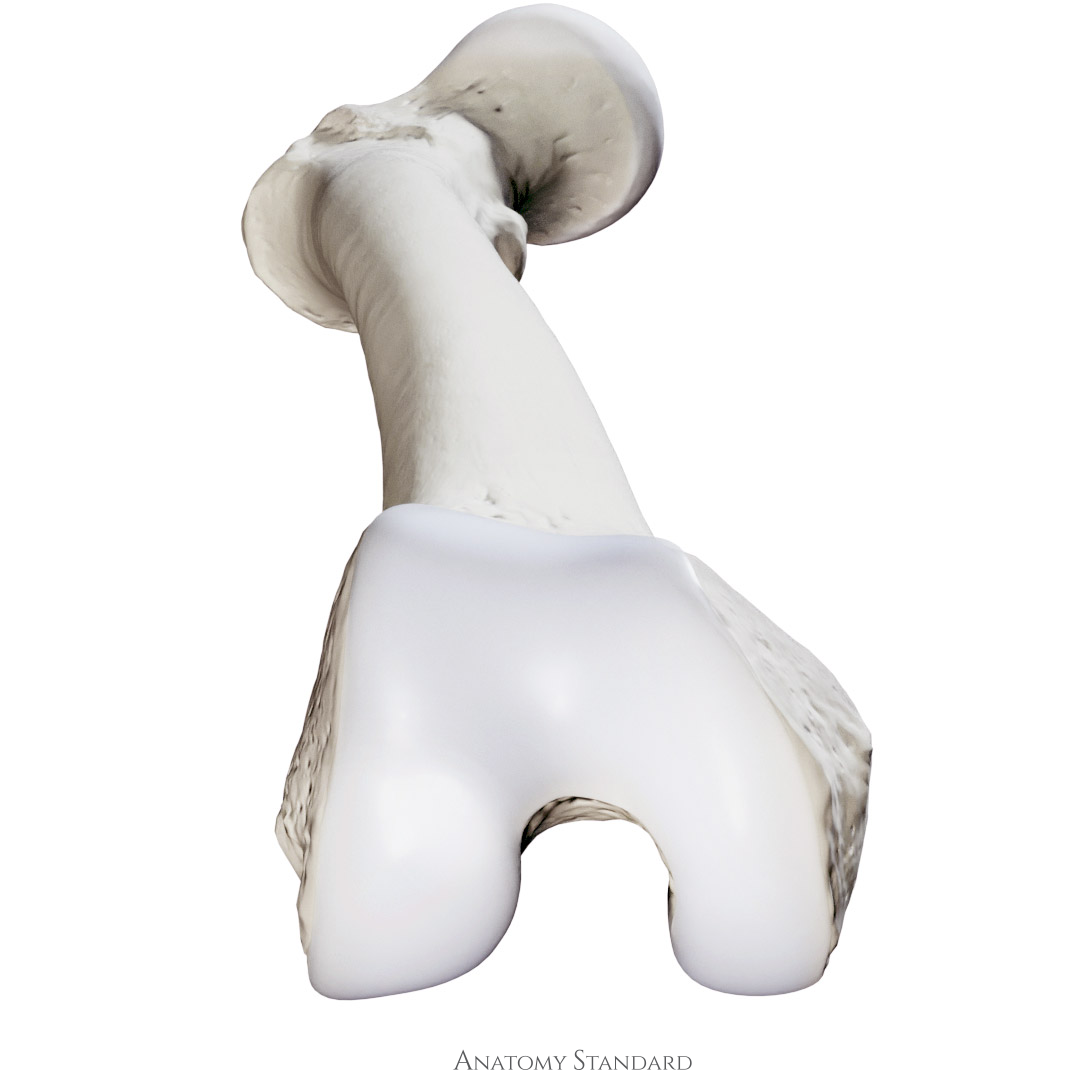
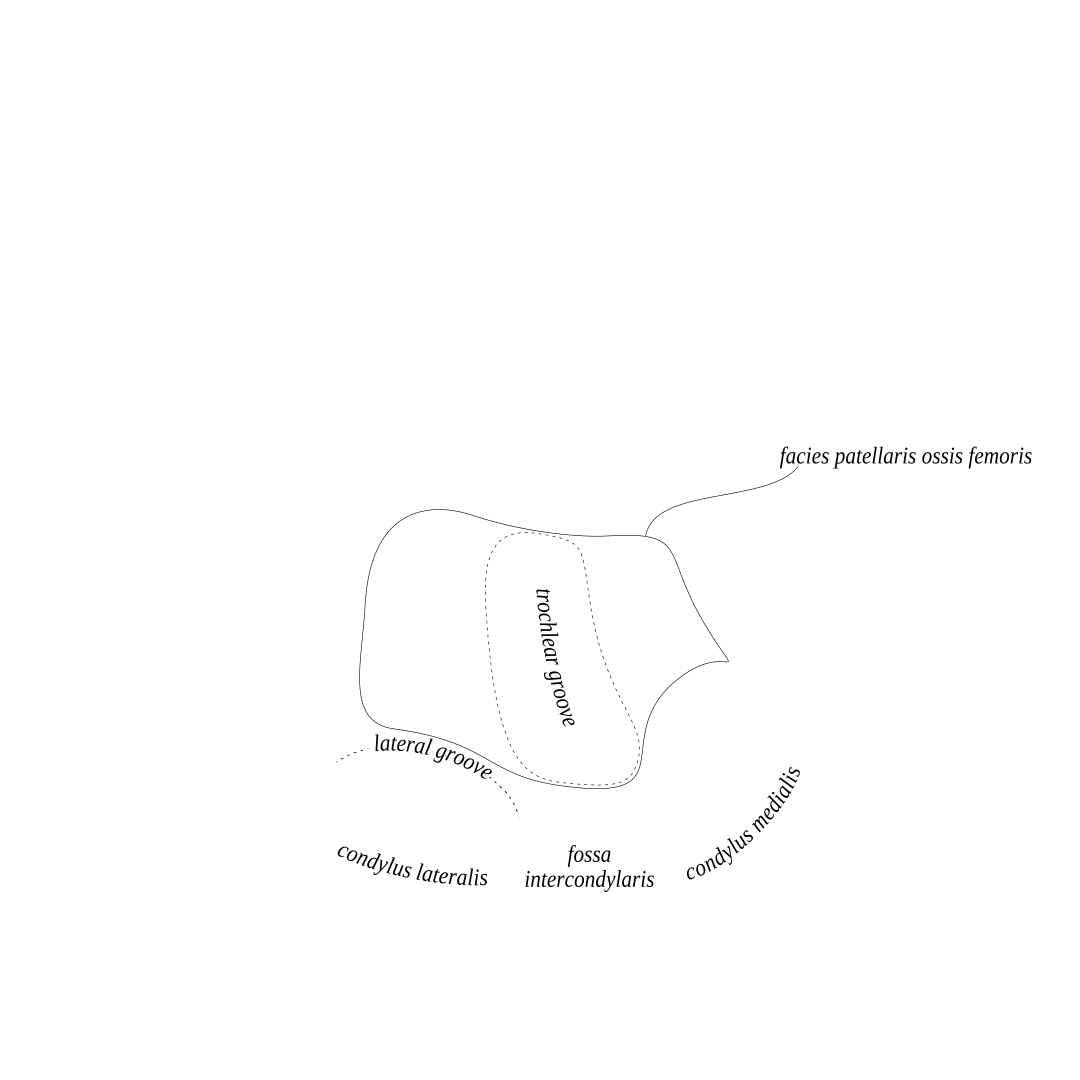
The femoral condyles are not identical. The lateral condyle is wider and more rounded than the medial condyle. This anatomical difference is directly related to a key biomechanical mechanism for knee stabilization during extension, known as the screw-home mechanism:
As the knee enters the final 10-15° of extension, the lateral femoral condyle "runs out" of articular surface on the tibia and stops moving. The medial condyle, however, still has cartilage to glide upon. This causes the tibia to rotate externally around the now-pivoting lateral side1. The cruciate and collateral ligaments guide and limit this rotation to approximately 5–11°2,3. At the completion of this motion, these ligaments become taut, providing strong stability for the fully extended and "locked" knee.4
The list of terms:
Facies patellaris ossis femoris – Patellar surface of femurTrochlear groove
Lateral groove
Condylus lateralis – Lateral condyle (of femur)
Condylus medialis – Medial condyle (of femur)
Fossa intercondylaris – Intercondylar fossa
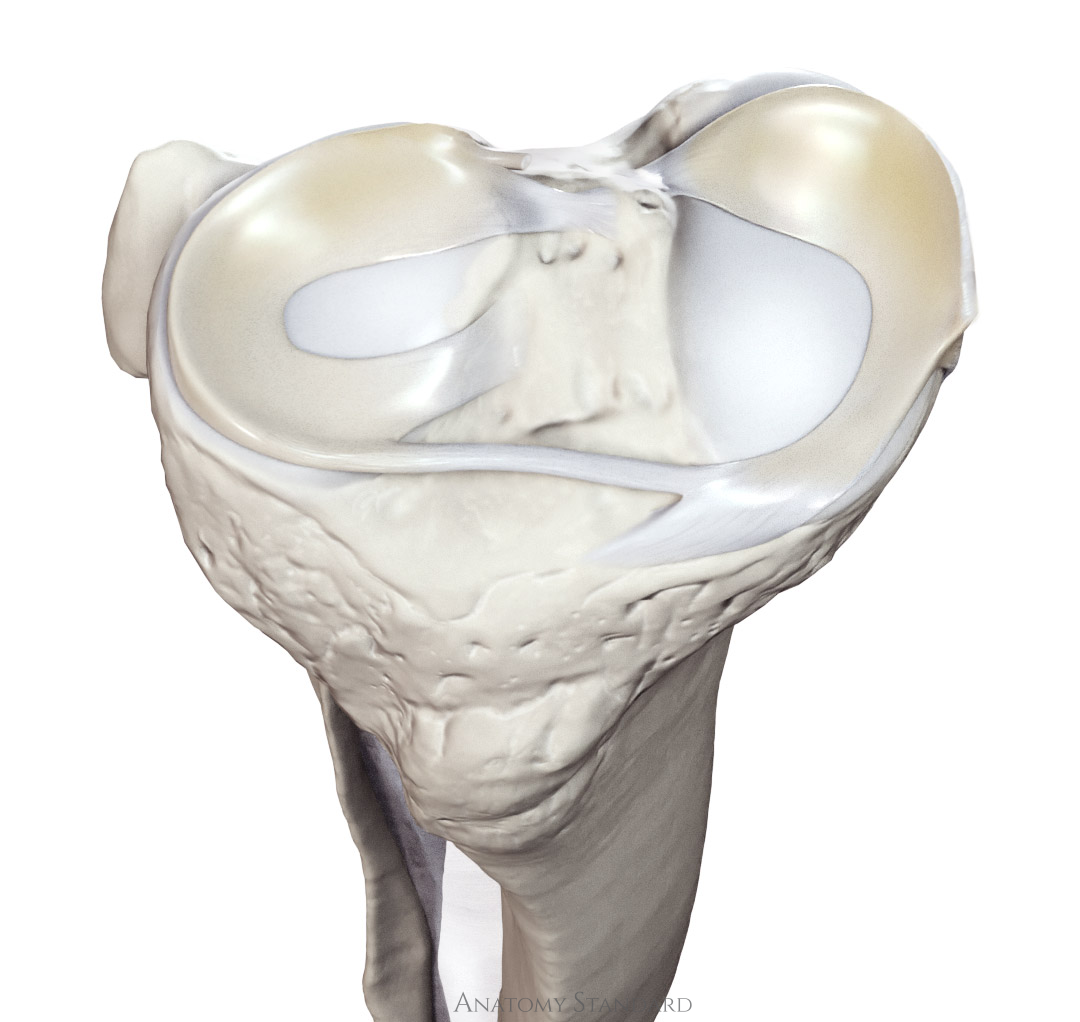
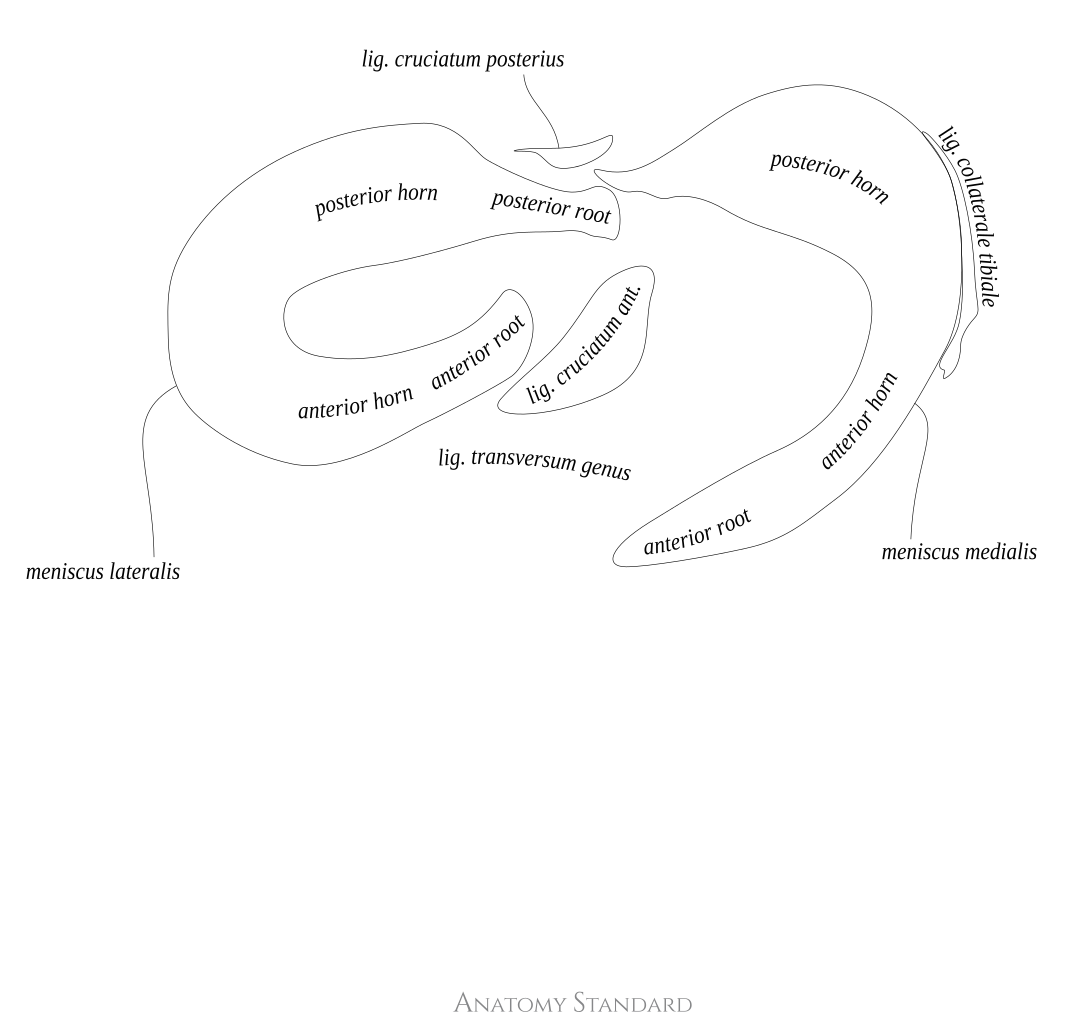
The intracapsular structures of the knee joint include the menisci (medial and lateral) and several key ligaments. These components have specialized roles: some ligaments, such as the ligamentum transversum genu (transverse ligament) and the meniscofemoral ligaments, help guide and stabilize the menisci during knee movement. Others, primarily the anterior and posterior cruciate ligaments, provide overall joint stability by restricting movements to a safe range that protects load distribution and prevents excessive meniscal displacement.
Injuries to these intracapsular structures are often serious, leading to significant functional limitations. Recovery is typically long, costly, and, in many cases, incomplete 1–3.
The list of terms:
Meniscus medialis – Medial meniscusMeniscus lateralis – Lateral meniscus
Lig. transversum genus – Transversal ligament of the knee
Lig. collaterale tibiale – Tibial collateral ligament
Posterior horn (of medial and lateral meniscus)
Anterior horn (of medial and lateral meniscus)
Posterior root (of medial and lateral meniscus)
Anterior root (of medial and lateral meniscus)
Lig. cruciatum anterius – Anterior cruciate ligament
Lig. cruciatum posterius – Posterior cruciate ligament
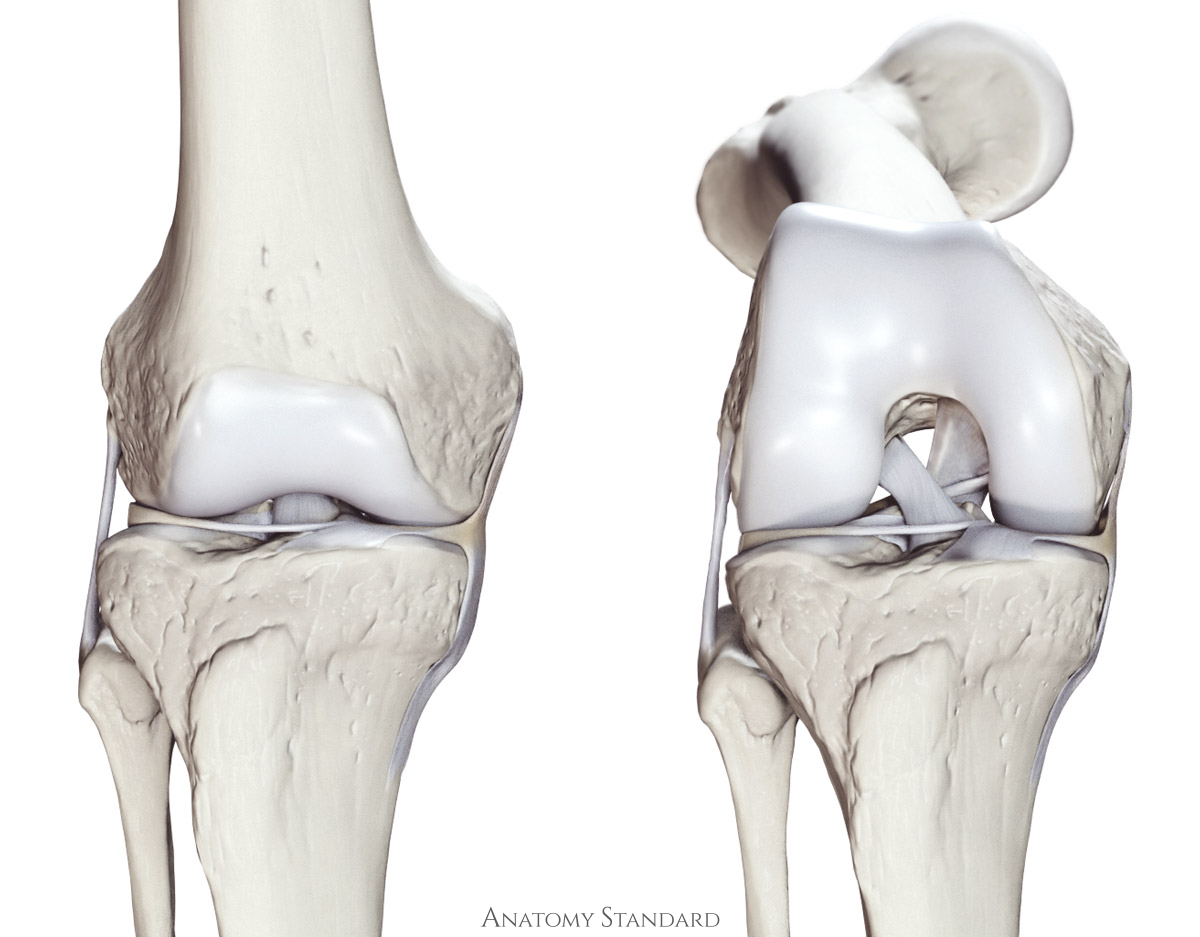
Aspectus anterior
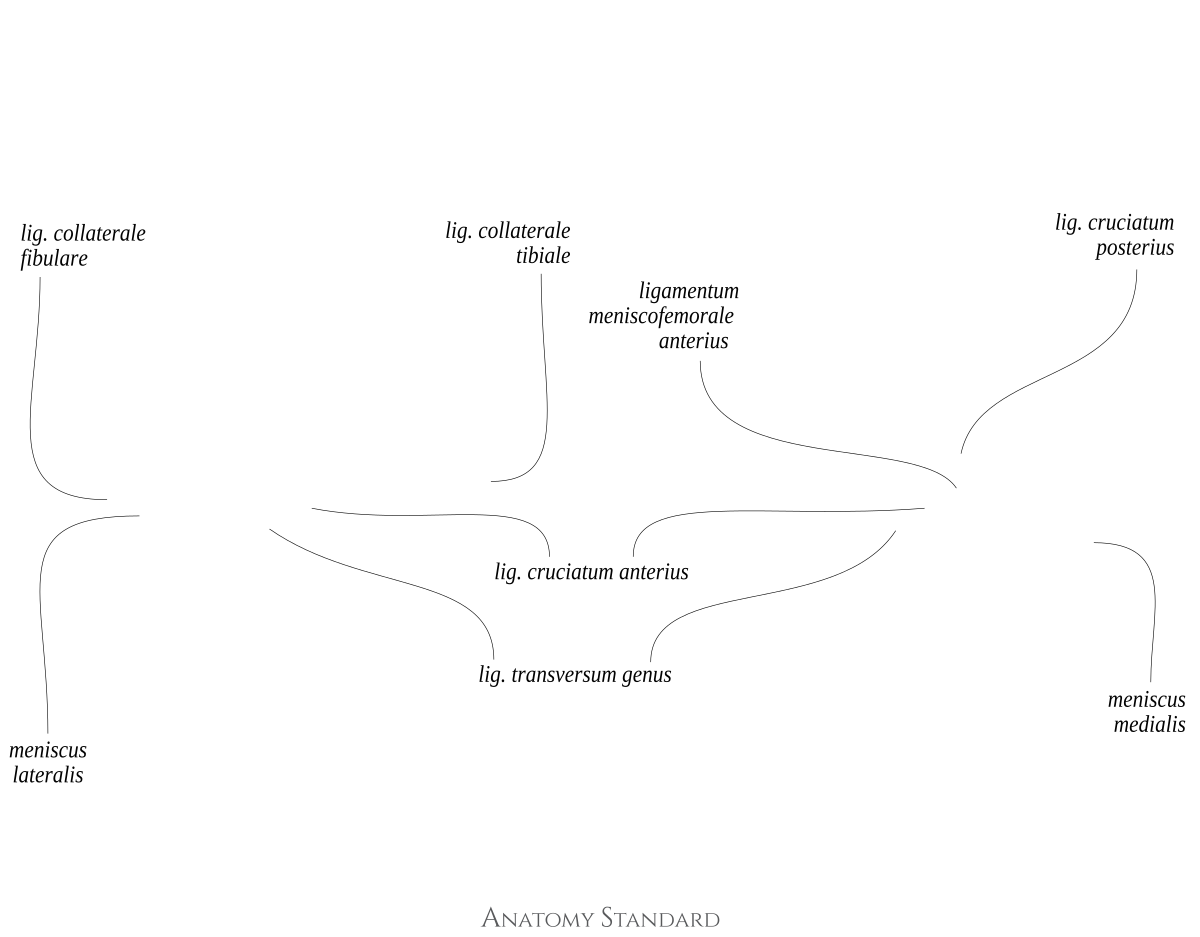
This illustration demonstrates the position and location of the menisci and the main ligaments of the knee joint. Please note the strong attachment between the medial meniscus and the tibial collateral ligament. This intimate connection synchronizes the movement of the medial meniscus with that of the ligament during knee motion.
In contrast, a significant gap exists between the lateral meniscus and the corresponding fibular collateral ligament. This anatomical difference is the primary reason for the much greater mobility of the lateral meniscus compared to the medial one.
The list of terms:
Lig. collaterale fibulare – Fibular collateral ligamentLig. collaterale tibiale – Tibial collateral ligament
Lig. cruciatum anterius – Anterior cruciate ligament
Lig. cruciatum posterius – Posterior cruciate ligament
Meniscus medialis – Medial lemniscus
Meniscus laterlalis – Lateral lemniscus
Lig. transversum genus – Transverse ligament of the knee
Lig. meniscofemorale anterius – Anterior meniscofemoral ligament
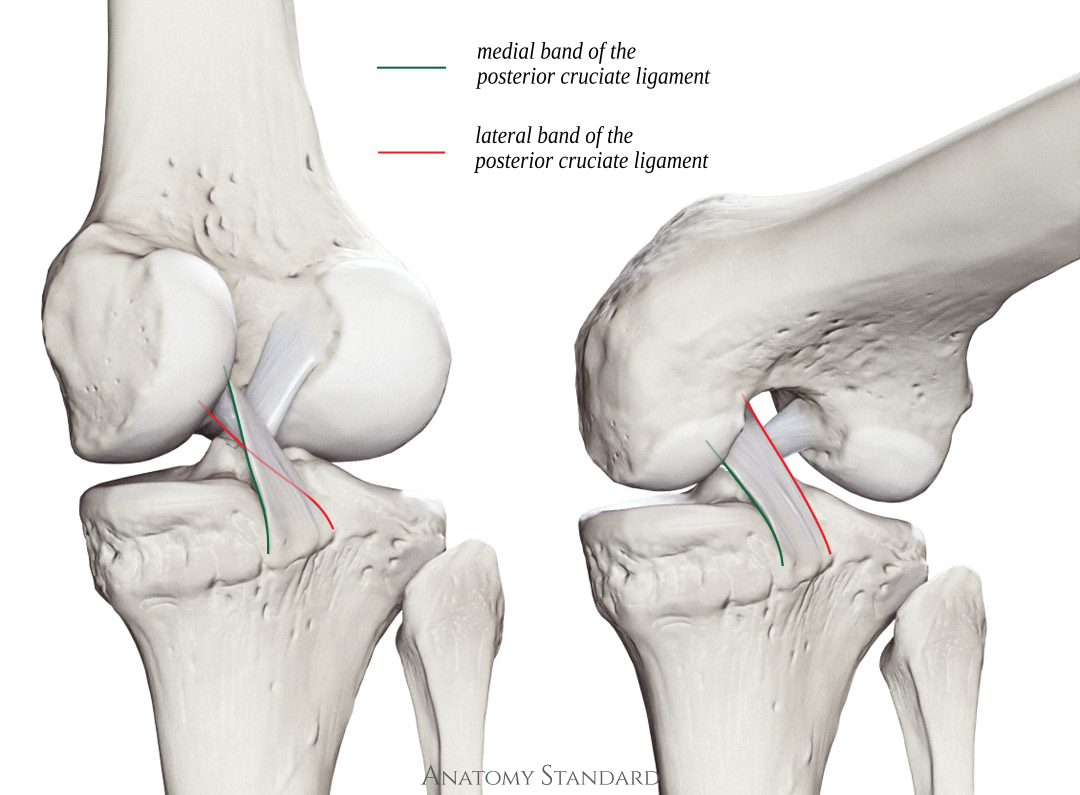
Aspectus posteromedialis
Each cruciate ligament is a complex structure with a twisted path that changes during knee motion. Note the intricate trajectory of the colored margins of the exposed posterior cruciate ligament.
A detailed analysis of each ligament's tightening and loosening patterns throughout the full range of motion is complex and beyond the scope of this page. However, it is worth mentioning that the greatest combined relaxation of both cruciate ligaments occurs at approximately 90 degrees of knee flexion1,2. This relaxation permits a degree of axial rotation of the tibia, which, while necessary for normal motion, also creates a potential for instability and traumatic injury.
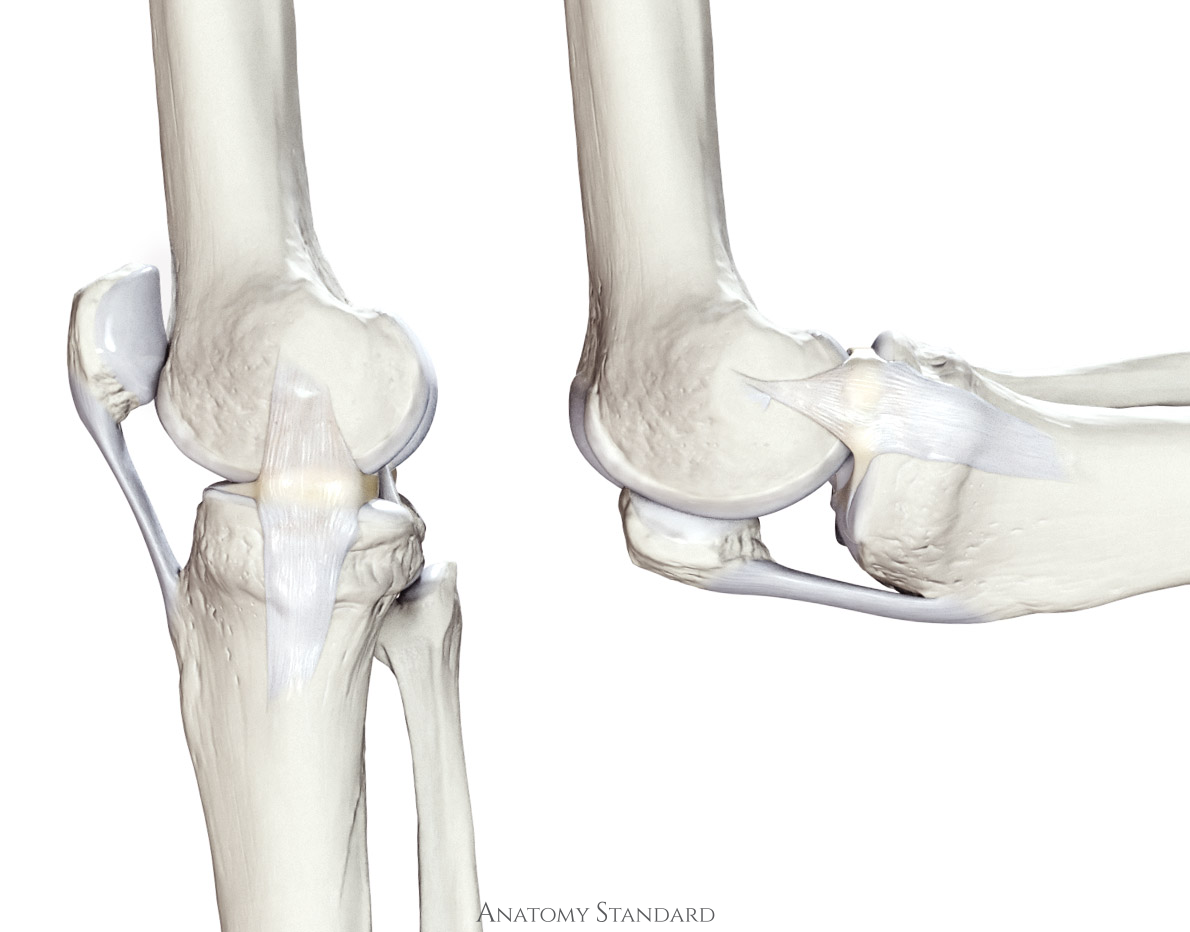
Aspectus medialis
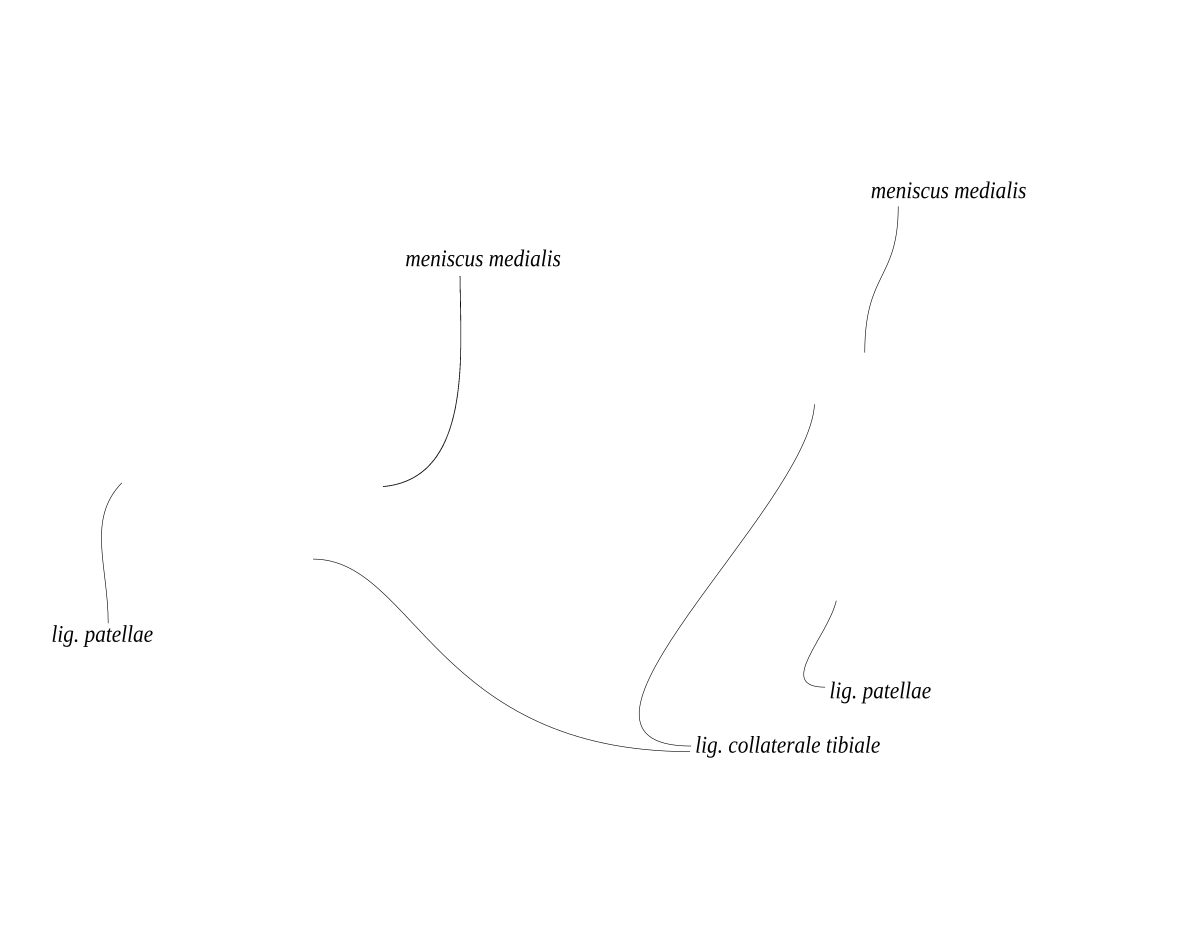
The patellar ligament is one of the strongest ligaments in the human body1. It is essentially the distal portion of the large quadriceps femoris tendon, which encloses the patella (the largest sesamoid bone in the human body). The patellar ligament attaches to the tibial tuberosity and, due to its low elasticity, maintains a nearly constant distance between the patella and the tibia.
However, the contact area between the patellar articular cartilage and the opposing femoral articular cartilage changes significantly during flexion and extension. Starting at around 30° of flexion, the patella is captured by the trochlear groove2. At angles greater than 90°, the patellar articular surface reaches the intercondylar level and articulates simultaneously with the medial and lateral condyles of the femur. This is valuable not only for the stability of the patella itself but also for distributing the load when a person is kneeling3.
The list of terms:
Lig. patellae – Patellar ligamentMeniscus medialis – Medial meniscus
Lig. collaterale tibiale – Tibial collateral ligament
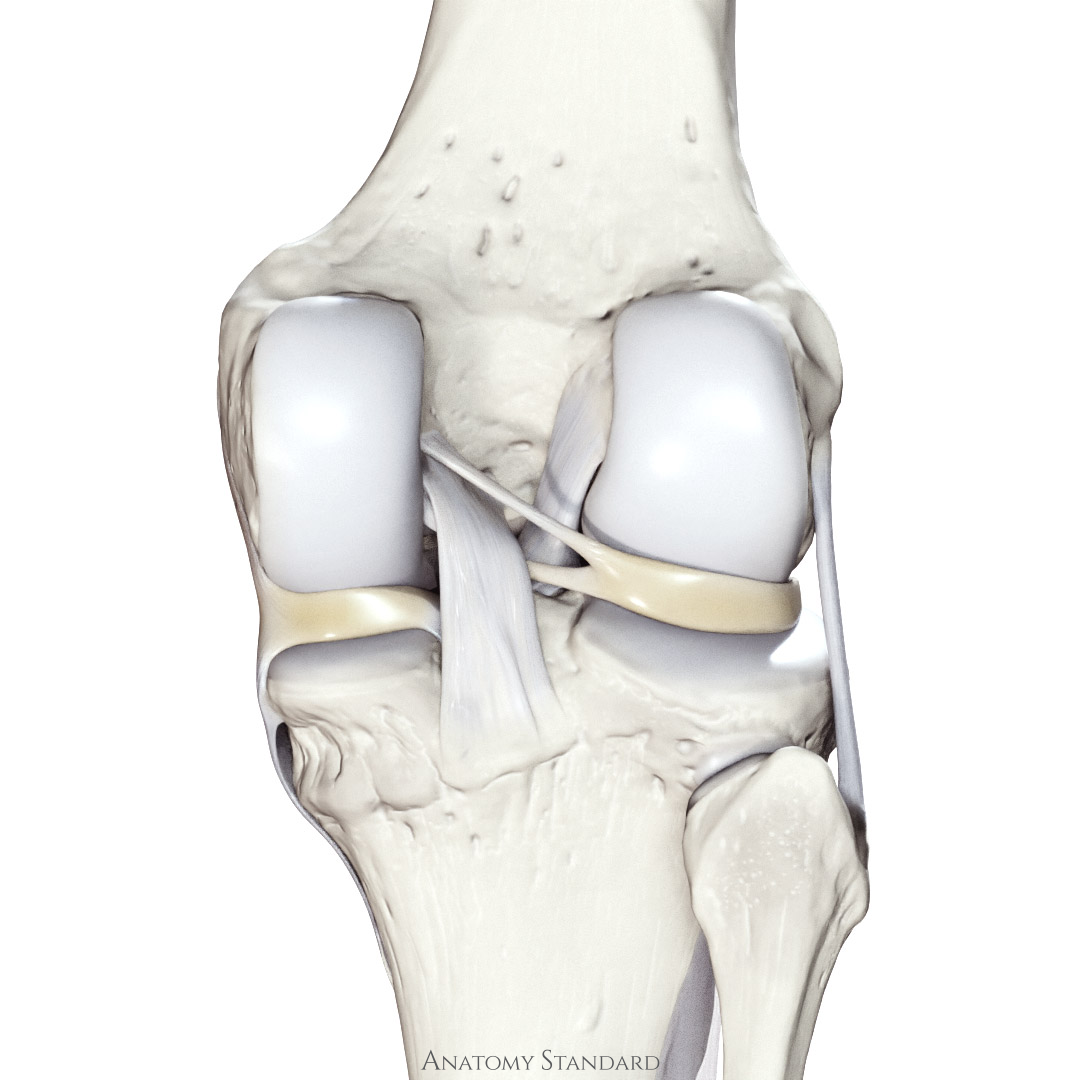
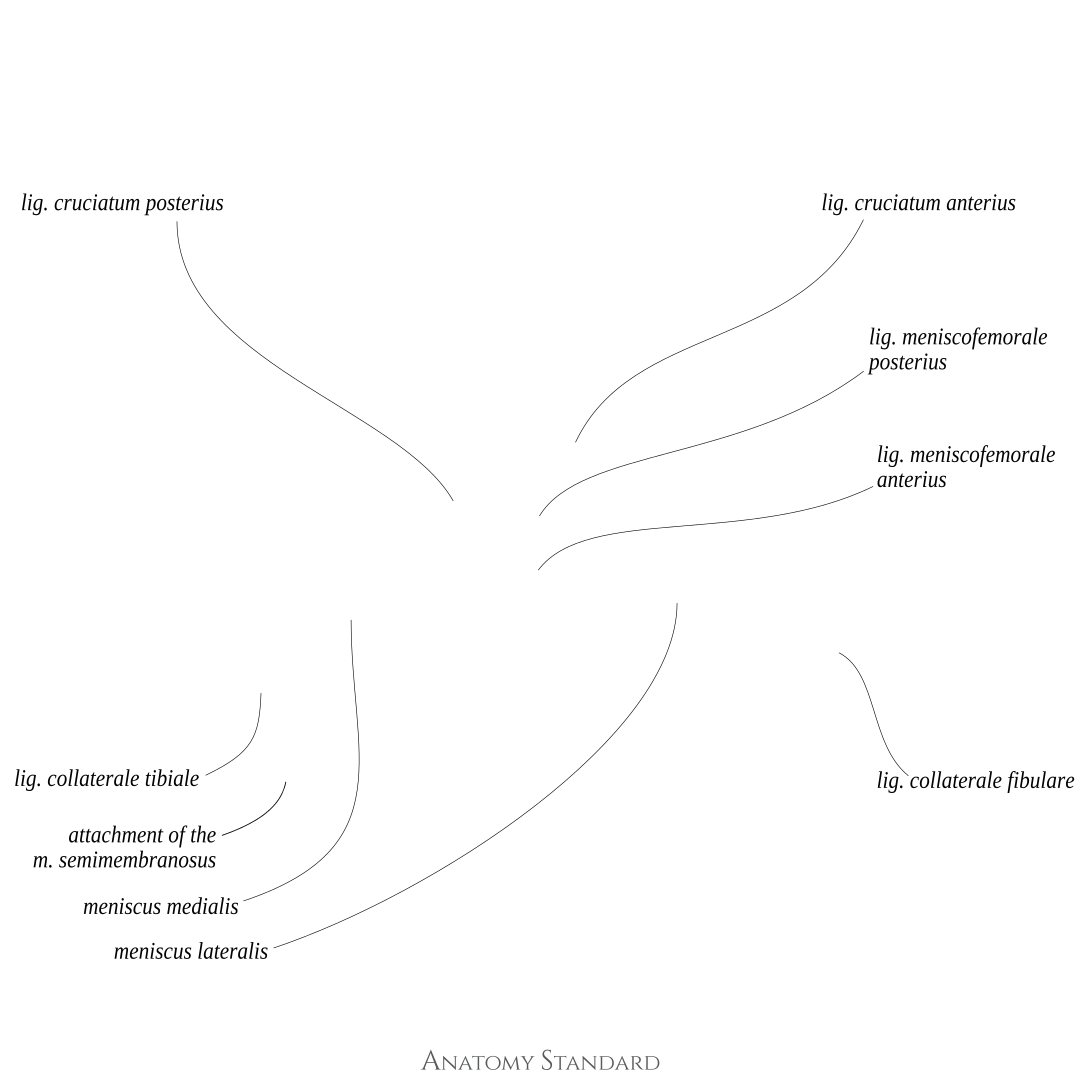
This image demonstrates the position of the inconstant meniscofemoral ligaments relative to the posterior cruciate ligament (PCL). Both meniscofemoral ligaments attach the posterior horn of the lateral meniscus to the lateral condyle of the femur. The anterior meniscofemoral ligament (ligament of Humphry) passes anterior to the PCL, while the posterior meniscofemoral ligament (ligament of Wrisberg) passes posterior to it. The reported incidence of these ligaments ranges from 50% to 74%1,2; however, the combination of both in a single knee (as shown above) occurs in only about 4% of the population3. The rare occurrence of both meniscofemoral ligaments in a single knee emphasizes their functional homology, which is related to applying traction to the posterior horn of the lateral meniscus during the knee flexion-extension cycle.
The list of terms:
Lig. cruciatum posterius – Posterior cruciate ligamentLig. cruciatum anterius – Anterior cruciate ligament
Meniscus medialis – Medial meniscus
Meniscus lateralis – Lateral meniscus
Lig. collaterale tibiale – Tibial collateral ligament
Lig. collaterale fibulare – Fibular collateral ligament
Lig. meniscofemorale posterius – Posterior meniscofemoral ligament (Wrisberg)
Lig. meniscofemorale anterius – Anterior meniscofemoral ligament (Humphry)
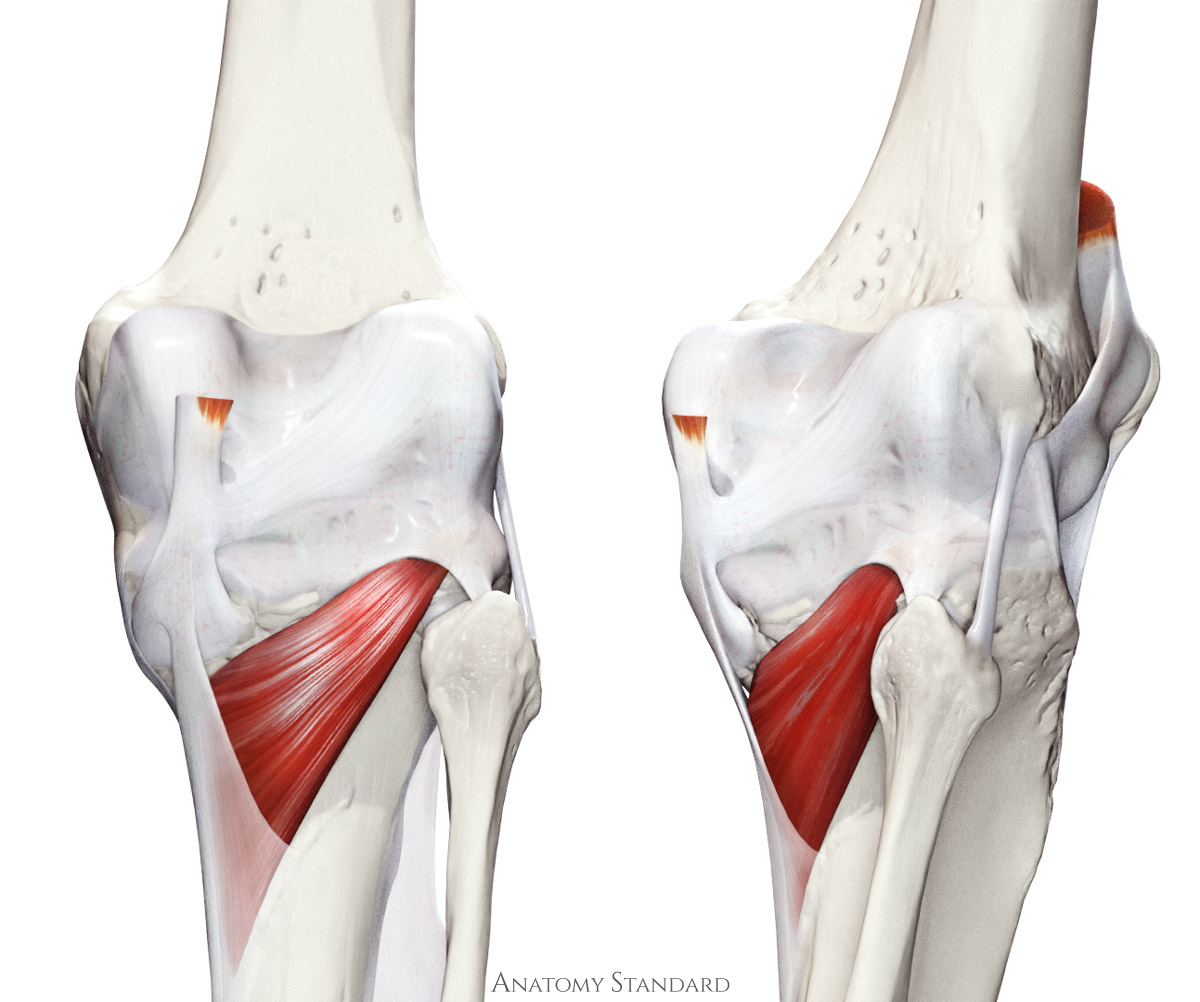
Aspectus posterior et posterolateralis
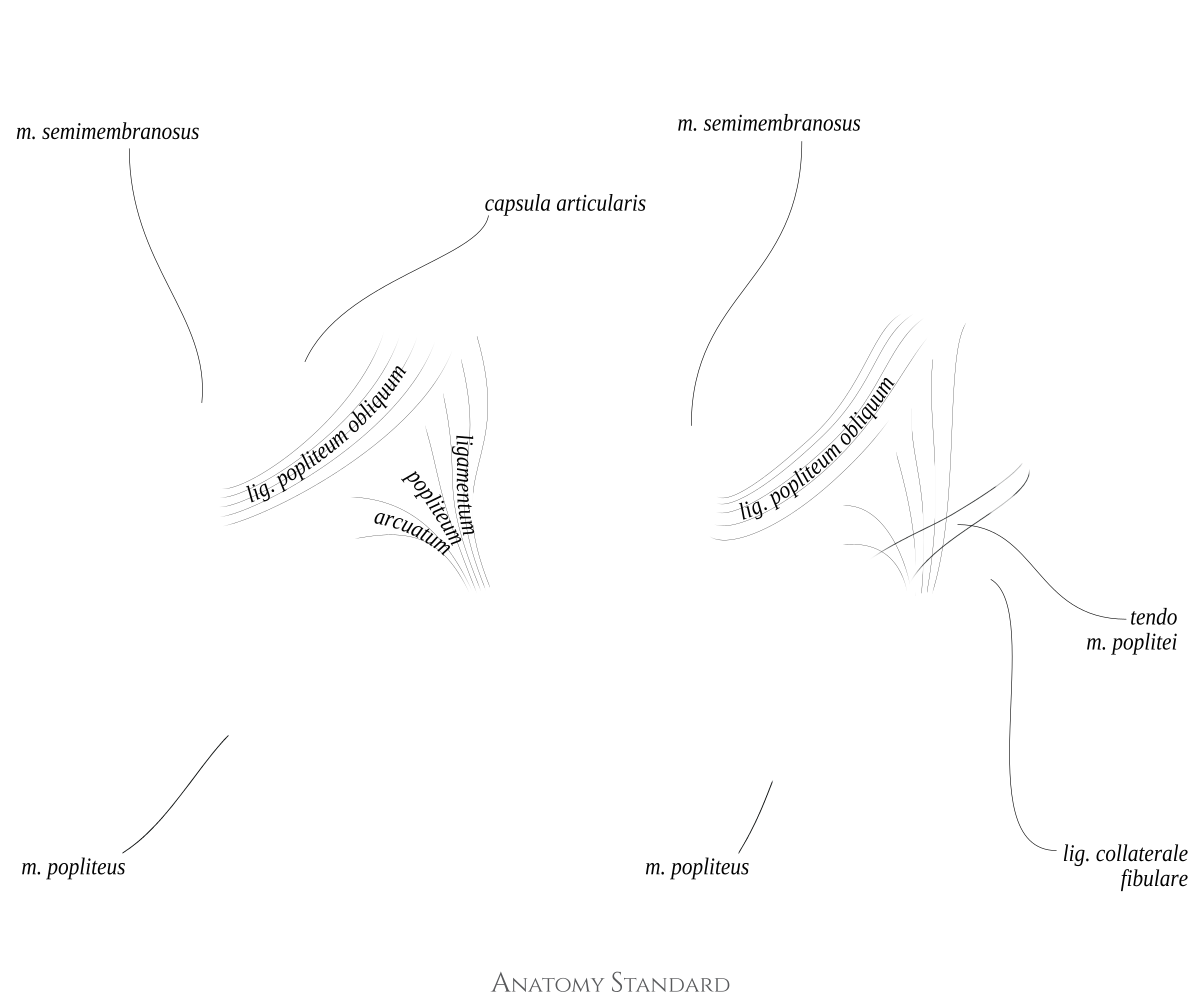
The capsule of the knee joint has a complex anatomy. Two of its major consistent components are: (1) oblique popliteal ligament: fibers that obliquely cross the posterior aspect of the knee, connecting the lateral femoral condyle with the main tendon of the semimembranosus muscle and (2) arcuate popliteal ligament: fibers that connect the capsule to the head of the fibula, forming a fibrous tunnel (or hiatus) for the tendon of the popliteus muscle.
Please note that the popliteus tendon passes inside the joint capsule—an unusual arrangement similar to the tendon of the long head of the biceps brachii in the shoulder joint.
The list of terms:
Lig. popliteum obliquum – Oblique popliteal ligamentLig. popliteum arquatum – Arcuate popliteal ligament
M. popliteus – Popliteal muscle
Tendo m. poplitei – Tendon of the popliteal muscle
Lig. collaterale fibulare – Fibular collateral ligament
M. semimembranosus – Semimembranosus muscle
Last upldate: 12/Dec/2025